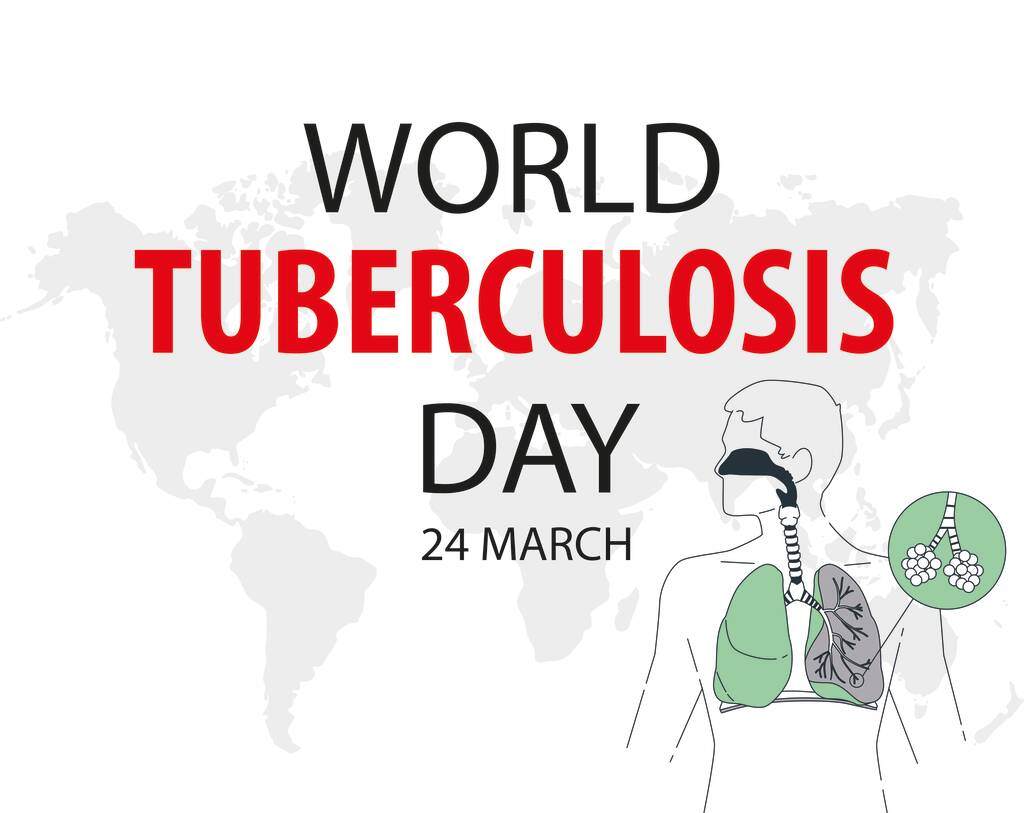
Every year on March 24, World Tuberculosis Day serves as a global reminder that tuberculosis (TB) remains one of the world’s most persistent infectious diseases. While many people associate TB with the past, it continues to affect millions of individuals worldwide each year. In fact, according to the World Health Organization (WHO), TB remains the world’s leading infectious disease killer, claiming approximately 1.25 million lives in 2023 alone.
The good news is that tuberculosis is both preventable and treatable, especially when detected early. Current data shows that global efforts to combat TB have saved an estimated 79 million lives since the year 2000.
At the same time, awareness alone is not enough—understanding how TB develops, how it is identified, and who is most vulnerable allows individuals and families to take more confident, proactive steps toward care.
What Is Tuberculosis?
Tuberculosis is an infectious disease caused by the bacterium Mycobacterium tuberculosis. It most commonly affects the lungs (pulmonary TB), but it can also impact other parts of the body, including the kidneys, spine, and brain.
It spreads through the air when a person with active TB disease coughs, speaks, or sneezes, releasing tiny droplets that others may inhale. However, not everyone exposed to TB becomes sick.
In many cases, the body is able to contain the bacteria without eliminating them entirely, which is why TB can remain dormant for years before becoming active.
There are two key forms of TB:
- Latent TB infection (LTBI): The bacteria are present in the body but inactive. Individuals do not feel sick and cannot spread the disease.
- Active TB disease: The bacteria are active, causing symptoms and making it possible to transmit TB to others.
The transition from a quiet, latent state to an active illness often happens when the body’s natural defenses are lowered, making the “wait and see” approach a period that requires careful medical oversight rather than just observation.
Why TB Awareness Still Matters
Even with modern medical advancements, TB remains a significant public health concern. Millions of cases are reported each year, with the disease continuing to disproportionately affect vulnerable populations.
Several factors contribute to the continued presence of TB:
- Delayed diagnosis due to a lack of awareness
- Limited access to healthcare in some communities
- Weakened immune systems in certain populations
- Social and economic barriers to consistent treatment.
Because the bacteria can progress silently, an individual might unknowingly act as a carrier for weeks before their own health visibly declines. This “silent window” is why global health initiatives focus heavily on proactive screening rather than waiting for symptomatic complaints.
Common Symptoms of Tuberculosis
One of the reasons TB can go undetected is that its symptoms often develop gradually and may resemble other conditions. This makes early recognition especially important:
- A persistent cough lasting three weeks or longer
- Chest pain or discomfort when breathing or coughing
- Fatigue or weakness
- Fever and chills
- Night sweats
- Unexplained weight loss
- Loss of appetite.
In some cases, individuals may cough up blood or sputum (mucus from the lungs), which is a more advanced sign of the disease. Clinically, these symptoms are the body’s inflammatory response to the bacteria colonizing and destroying lung tissue. Many people initially dismiss them as minor respiratory issues or general fatigue from a busy lifestyle. However, because these symptoms overlap with other respiratory illnesses, relying on self-assessment is risky.
Who Is Most at Risk?
While tuberculosis can affect anyone, certain groups are at higher risk of developing active TB disease due to the specific ways the bacteria interact with the human immune system.
1. Older Adults
As people age, their immune systems naturally weaken, making it harder for the body to fight infections. This increases the likelihood that latent TB may become active.
2. Individuals with Weakened Immune Systems
Conditions or treatments that compromise immunity can increase susceptibility, including:
- HIV/AIDS
- Cancer treatments such as chemotherapy
- Organ transplants requiring immunosuppressive medications
- Chronic illnesses like diabetes.
3. People Living in Close or Congregate Settings
TB spreads more easily in environments where people are in close contact, such as:
- Nursing homes
- Assisted living facilities
- Shelters or correctional facilities.
4. Individuals with Limited Access to Healthcare
Barriers such as cost, transportation, or lack of awareness can delay diagnosis and treatment, increasing the risk of spread and complications.
5. Caregivers and Healthcare Workers
Those who regularly interact with vulnerable populations may have increased exposure risk, particularly if proper precautions are not consistently followed.
Understanding these risk factors helps individuals and families make informed decisions about when to seek testing or medical advice.

The Importance of Early Testing
The transition from suspicion to certainty requires specific diagnostic tools, as a standard physical exam cannot “see” the bacteria. Testing is generally simple and may include:
- Skin test (Mantoux tuberculin skin test): A small amount of testing fluid is injected under the skin and evaluated after 48–72 hours.
- Blood test (TB blood assay): Measures the immune system’s response to TB bacteria.
- Chest X-ray or sputum test: Used if active TB is suspected to confirm diagnosis.
Once a diagnosis is confirmed, the focus shifts to a rigorous antibiotic regimen. Key points about TB treatment:
- The “Long Haul” Approach: Treatment typically lasts 6 to 9 months.
- Resistance Prevention: Skipping doses can lead to drug-resistant strains, which are significantly harder and more expensive to treat.
- Full Recovery: When the protocol is followed, the success rate is incredibly high. In fact, the WHO reports that TB treatment saved an estimated 75 million lives globally between 2000 and 2022.
Preventing the Spread of TB
We already mentioned that TB is a disease of the air, not of surface contact, which means prevention is less about scrubbing counters and more about managing the environment and personal health. According to the WHO, a person with active, untreated pulmonary TB can infect 10 to 15 other people through close contact over the course of a year.
In addition to treatment, prevention plays a critical role in reducing TB transmission. Simple but important steps include:
- Seeking medical advice if symptoms appear
- Completing prescribed treatment without interruption
- Practicing respiratory hygiene (covering coughs and sneezes)
- Ensuring proper ventilation in shared spaces
- Following public health guidelines in high-risk environments.
For healthcare providers and caregivers, using protective measures such as N95 respirators and maintaining infection control protocols is essential not just for personal safety, but to prevent the facility itself from becoming a vector for the disease.
TB Awareness in Caregiving and End-of-Life Support
While TB is not always a primary concern in hospice or palliative settings, awareness helps caregivers:
- Recognize symptoms early
- Communicate effectively with healthcare teams
- Ensure appropriate testing when needed
- Support overall patient comfort and safety.
Caregivers who recognize symptoms early can ensure that palliative treatments are adjusted to maintain respiratory comfort, while also protecting the health of the family members and staff providing support. Crucially, care environments that prioritize this level of clinical vigilance contribute to better outcomes and peace of mind for everyone involved.
You Don’t Have to Navigate Health Concerns Alone
Tuberculosis remains a global health concern, but it is one that can be addressed through awareness, early detection, and proper care.
For individuals and families, having access to clear information and compassionate support can make a significant difference in how health concerns are understood and managed.
At Orange Hospice, compassionate care extends beyond end-of-life support—we are here to help individuals and families navigate complex health concerns with clarity and dignity. If you have questions or need guidance for a loved one, reach out to our team to learn more about supportive care options and available resources.