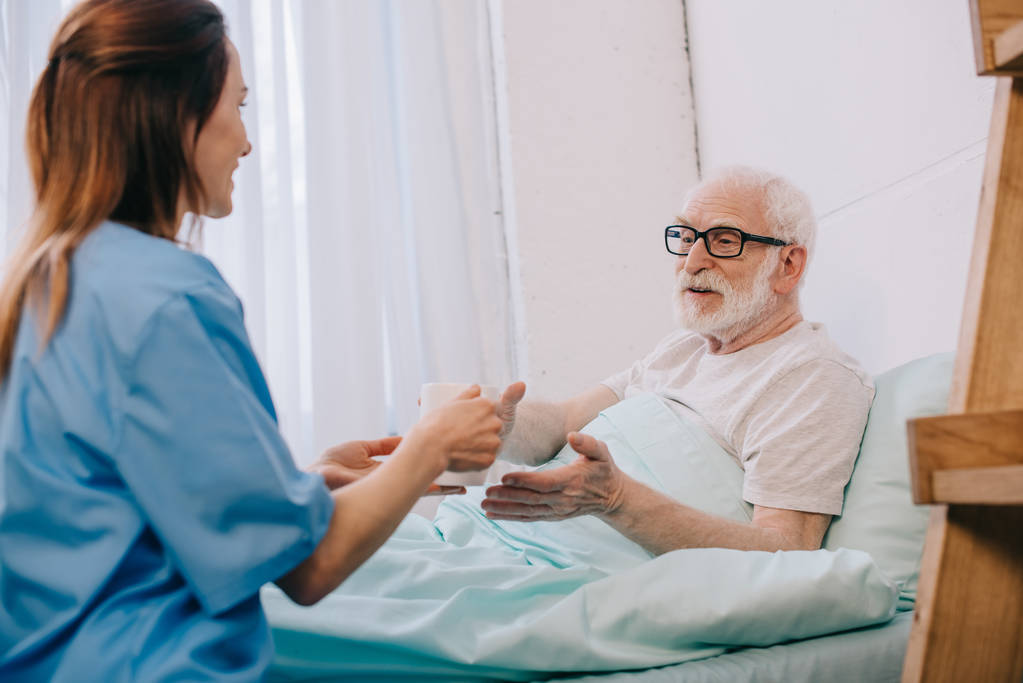
For many families, the idea of receiving hospice care at home brings both comfort and uncertainty. Comfort, because home is where familiarity and love live. Uncertainty, because most people don’t know what in-home hospice actually looks like day to day—who shows up, what they do, how often, and what it all costs.
This guide answers those questions plainly. Whether you’re exploring options for a loved one or planning ahead, here is a clear, honest look at how hospice home care works.
What Is Hospice at Home?
Hospice at home is a specialized model of end-of-life care delivered in the patient’s own residence—whether that’s a private home, an apartment, or a family member’s house. Rather than requiring someone to move into a facility during the final months or weeks of life, hospice home care brings a coordinated team of professionals directly to the patient.
The goal is not to cure illness but to prioritize comfort, dignity, and quality of life. Hospice care at home addresses physical pain, emotional well-being, spiritual needs, and practical support for both the patient and the people who love them.
To qualify, a physician must certify that a patient has a terminal diagnosis with a life expectancy of six months or less if the illness runs its normal course. That said, hospice care can be extended if the patient’s condition continues to meet eligibility criteria.
Who Is Part of the Hospice at Home Team?
One of the most important things to understand about in-home hospice is that it is never a single person arriving with a bag of medications. It is a full interdisciplinary team, each member playing a distinct role.
- Registered Nurses conduct regular assessments, manage symptoms, adjust medication plans, and serve as the primary clinical contact for families. They are typically the most frequent professional visitors and are available by phone around the clock.
- Hospice Aides assist with personal care tasks such as bathing, grooming, and dressing. They provide relief for family caregivers and help maintain the patient’s dignity and hygiene.
- Social Workers help families navigate practical challenges—insurance paperwork, care coordination, advance directives, and access to community resources. They also provide emotional counseling and help facilitate difficult family conversations.
- Spiritual Chaplains offer non-denominational support for patients and families who want to explore questions of meaning, faith, and legacy. This support is always offered, never imposed.
- Physicians and Nurse Practitioners oversee the medical plan, coordinate with the patient’s existing doctors, and authorize medications and equipment.
- Volunteers provide companionship, respite for caregivers, and practical help like running errands or simply sitting with a patient so a family member can rest. Orange Hospice’s volunteers also offer some alternative therapeutic services through their special programs, such as their Pamper Program, Paw-sitive Visits, and Healing Concerts.
- Bereavement Counselors support surviving family members for up to 13 months after a loved one’s passing—a service that is often overlooked but deeply valuable.
What Services Are Provided?
Hospice at home care encompasses a broad range of services, all of which are coordinated by the hospice provider:
- Medical supplies needed to keep the patient comfortable and manage symptoms
- Physician oversight of their care plan and visits every hospice benefit period after the first 6 months
- Physical, occupational, and speech therapies when medically appropriate
- Social worker, spiritual chaplain visits
- Hospice aide visits throughout the week for hygiene, comfort, and dignity
- Volunteer support for pt companionship, caregiver relief, and practical support
- Mobile lab and X-ray
- Wound care
- Podiatry.
What to Expect from Hospice at Home
Many families ask: what does a typical week actually look like?
Visit frequency is tailored specifically to a patient’s condition upon entering our care. For those who are stable, a nurse typically visits once or twice per week, supplemented by an aide twice per week. Should a patient experience a sudden spike in symptoms, our nurses make additional visits as needed to ensure comfort. In cases where symptoms become difficult to control, we provide short-term continuous care—ranging from 8 to 24 hours per day—until the patient is stabilized.
Between visits, the nurse on-call line remains available at all hours. Most families are surprised by how supported they feel simply knowing someone knowledgeable can be reached at 2 a.m. when breathing changes or pain spikes unexpectedly.
Family members will be gently guided through what to expect as the patient progresses. This includes honest conversations about signs that death may be approaching, so that families can be present and prepared rather than caught off guard.
How Much Does Hospice at Home Cost?
Cost is one of the most common concerns families have, and the answer for most people is reassuring.
- Medicare covers hospice care at home under the Medicare Hospice Benefit. This covers virtually all hospice-related services, including nursing visits, aide services, medications related to the terminal diagnosis, medical equipment, and bereavement support. There is no deductible for these services.
- Medicaid also covers hospice care in most states, typically with the same broad coverage as Medicare.
- Private insurance plans usually include a hospice benefit as well, though coverage details vary by plan. A hospice intake coordinator can verify your specific benefits before care begins.
For patients without insurance coverage, many hospice organizations—including nonprofit providers—offer sliding-scale fees or financial assistance programs. Very few patients are turned away for inability to pay.
The out-of-pocket costs that do exist are minimal. Medicare, for example, may charge a small copay for outpatient prescription drugs (typically no more than $5 per medication) and a five percent coinsurance for inpatient respite care stays.

The Role of Family Caregivers
Hospice at home does involve the family. Unlike an inpatient setting where staff is present around the clock, in-home hospice care is built around a primary caregiver—usually a spouse, adult child, or close friend—who is present between professional visits.
The hospice team supports the caregiver extensively. You will receive instructions on how to give medications, recognize symptoms, and keep your loved one comfortable. Emotional support is provided at every step. The hospice aide can take over personal care tasks that may feel overwhelming. And respite care ensures that even the most devoted caregiver can step away when needed.
Caregiver burnout is real, and a quality hospice team anticipates it. Don’t hesitate to ask for more support. That is exactly what the team is there for.
Is Hospice at Home the Right Choice?
For many patients and families, receiving care at home is not just a preference—it is a profound gift. Being surrounded by familiar surroundings, personal belongings, pets, and the people you love most can meaningfully change the experience of the final chapter of life.
Hospice at home is not a last resort. It is an intentional, compassionate choice that allows patients to remain in control of their environment while receiving expert clinical support. It allows families to be present—not as helpless bystanders, but as active participants in meaningful care.
If you are considering hospice care at home for yourself or someone you love, reaching out to a local hospice provider is the right first step. A conversation costs nothing, and it can change everything.
Frequently Asked Questions
- What does “hospice at home” mean?
Hospice at home means that end-of-life comfort care is delivered directly to a patient’s residence by a team of nurses, aides, social workers, and chaplains, rather than in a hospital or facility setting.
- How often will a nurse visit during in-home hospice care?
Visit frequency is tailored to each patient’s specific condition. For a stable patient, a nurse typically visits once or twice per week, supplemented by an aide twice per week. However if a patient experiences a spike in symptoms, a nurse will visit as often as needed. In cases of uncontrolled symptoms, we can provide short-term continuous care for 8 to 24 hours per day until the patient is stabilized. Between all visits, our nurse on-call line remains available 24/7.
- Does Medicare pay for hospice care at home?
Yes. Medicare covers hospice home care under the Medicare Hospice Benefit, including nursing, aide services, medications related to the terminal diagnosis, medical equipment, and bereavement support—generally with no deductible.
- What equipment will be delivered to the home?
Common equipment includes a hospital bed, wheelchair or walker, bedside commode, oxygen supplies, and any other medically necessary items. All equipment is delivered, set up, and managed by the hospice provider.
- Can hospice care at home be stopped if the patient improves?
Yes. Hospice care can be discontinued at any time if a patient’s condition stabilizes or improves, or if the patient or family chooses to pursue curative treatment. A patient can re-enroll in hospice if they later meet eligibility criteria again.
- What support is available for family members?
Family caregivers receive education, emotional support, respite care, and access to a social worker and chaplain. Bereavement counseling is also provided to surviving family members for up to 13 months after the patient’s passing.
- How do I start hospice care at home?
Contact a hospice provider directly or ask the patient’s physician for a referral. The hospice team will verify insurance benefits, assess eligibility, and can begin care as soon as a few hours from the first call.