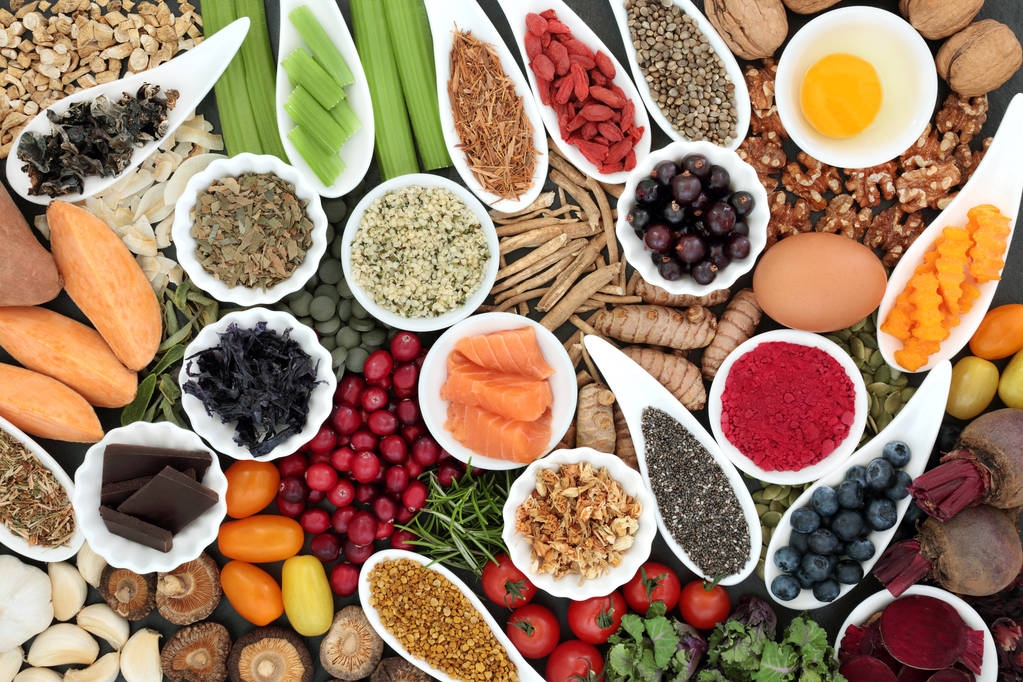
The foods we eat can influence many aspects of health, including the heart, metabolism, and potentially the brain. As people get older, maintaining cognitive health becomes an important part of overall well-being. While no specific food or diet can guarantee protection against Alzheimer’s disease or other forms of dementia, research suggests that nutritious eating patterns may help support memory and thinking over time.
What Does a Brain-Healthy Diet Look Like?
Rather than focusing on one “superfood,” many researchers look at overall eating patterns. Two commonly studied approaches are the Mediterranean diet and the MIND diet.
The Mediterranean diet emphasizes plant-based foods such as vegetables, fruits, beans, whole grains, and nuts. Fish is typically eaten regularly, while olive oil is commonly used as a source of healthy fat.
The MIND diet draws from both the Mediterranean and DASH eating patterns but places additional emphasis on foods that have been studied in connection with cognitive health. These include leafy greens, berries, nuts, whole grains, and fish.
The Connection Between Nutrition and Cognitive Health
Studies have found associations between these eating patterns and better cognitive performance in older adults. People who follow them more closely may experience slower cognitive decline or a lower risk of developing certain forms of dementia.
That does not mean diet works as a stand-alone form of prevention. Alzheimer’s disease is complex, and many factors can influence a person’s risk. Genetics and age are important, while physical activity, sleep, cardiovascular health, and other lifestyle habits may also play a role.
For that reason, nutritious eating is best viewed as one part of a broader approach to healthy aging.
Making Brain-Friendly Choices More Practical
Improving your diet does not require changing everything at once. Small adjustments can make healthier eating easier to maintain.
Try including vegetables more often at lunch and dinner or adding berries to breakfast. Choose fish in place of some red or processed meats when appropriate. Unsalted nuts can provide a convenient snack, and olive oil can sometimes replace butter or other saturated fats in cooking.
The goal is not perfection. Building a pattern of nutritious choices over time can support both cardiovascular health and overall wellness, which are closely connected to healthy brain function.
Supporting the Brain Beyond the Dinner Table
Nutrition is only one piece of cognitive wellness. Regular physical activity, adequate sleep, meaningful social interaction, and ongoing medical care can all contribute to healthier aging.
Taking care of the brain often comes down to everyday habits practiced consistently. A balanced diet combined with an active and engaged lifestyle can help create a strong foundation for long-term health.
Disclaimer: This article is provided for general educational purposes and is not a substitute for medical advice or personalized nutrition guidance. Individuals with medical conditions, dietary restrictions, or specific nutritional needs should consult a healthcare provider or registered dietitian before making significant dietary changes.
References
Bartoschowski, Z., Conway, J., Wallach, Y., Chakkamparambil, B., Alakkassery, S., & Grossberg, G. T. (2020). Dietary interventions to prevent or delay Alzheimer’s disease: What the evidence shows. Current Nutrition Reports, 9(3), 210–225. https://doi.org/10.1007/s13668-020-00333-1
Martínez-Lapiscina, E. H., Clavero, P., Toledo, E., Estruch, R., Salas-Salvadó, J., San Julián, B., Sánchez-Tainta, A., Ros, E., Valls-Pedret, C., & Martínez-González, M. Á. (2013). Mediterranean diet improves cognition: The PREDIMED-NAVARRA randomized trial. Journal of Neurology, Neurosurgery & Psychiatry, 84(12), 1318–1325. https://doi.org/10.1136/jnnp-2012-304792
Petersson, S. D., & Philippou, E. (2016). Mediterranean diet, cognitive function, and dementia: A systematic review of the evidence. Advances in Nutrition, 7(5), 889–904. https://doi.org/10.3945/an.116.012138